DoorDash Delivery can look simple on the customer side, yet driver rules sit underneath the whole system. Eligibility, vehicle fit, and document checks decide how quickly a new Dasher can start, and what kind of orders show up.
DoorDash also runs promotions and safety tools that shape the day-to-day experience once the app goes live.
Rules vary by country, city, and sometimes even state, so the safest approach is to treat requirements as location-based, then confirm details inside the Dasher app during signup. Numbers and policies can change fast in gig platforms, especially around identity verification and payout options.
What DoorDash Delivery Is and How The Platform Works
DoorDash operates a three-sided marketplace connecting customers, merchants, and independent contractors called Dashers. The app handles order placement, payment processing, dispatch, and real-time tracking, which is why deliveries can be offered within minutes of logging in.
DoorDash has also pushed beyond restaurant orders into groceries and convenience items, which changes the mix of deliveries a driver might see. Operational scale matters because it affects demand density and offer volume.
DoorDash reported Marketplace GOV of $23.1 billion in Q1 2025, which reflects a large flow of orders moving through the platform. Large networks also bring more rule-setting, especially around safety, identity checks, and vehicle categories.
Driver Requirements and Eligibility Rules
Meeting the basics sounds easy, yet small details can slow approval or restrict delivery types. Age cutoffs, accepted vehicles, and required documents are the usual friction points, especially for bike and scooter setups.
Age Requirements That Can Change By Location
DoorDash sets a general minimum age of 18, then applies higher thresholds in specific places. Several U.S. states require 19, and California has been listed at 21 on DoorDash’s own Dasher signup pages. Local labor rules and insurance realities usually drive these differences, rather than DoorDash randomly changing the rules.
Dasher requirements also include having a compatible smartphone, since the app is the work surface for offers, navigation prompts, and support tools. Approval can take longer if identity details do not match across documents, so consistency matters more than people expect.
Vehicle Eligibility Basics
DoorDash supports multiple delivery modes, yet availability depends on local market settings. A car works nearly everywhere DoorDash operates. Scooters and bicycles can be allowed where city rules and merchant density make them practical, and where the platform has enabled those modes for that zone.
DoorDash vehicle rules matter because the app can assign different order types based on delivery mode, distance, and typical timing. Some markets also restrict certain order categories to motor vehicles, especially larger grocery loads.
Vehicle Rules That Affect Daily Work
Picking a vehicle is less about “best” and more about matching local geography, parking, and order patterns. Dense city centers often reward bikes and scooters due to short distances and tight parking. Suburban zones often favor cars because distances stretch, and pickup lanes can be built around drive-up access.
Insurance and legal compliance also sit in the background. DoorDash typically treats Dashers as independent contractors, so local laws determine licensing, helmet requirements, and registration for scooters or motorbikes. Keeping a vehicle in safe condition helps protect ratings and reduces delivery delays, even when the platform does not demand inspections.
Bike delivery in select cities can be a strong fit when restaurants cluster, and customers live nearby. Long-distance markets can still offer bike mode, but acceptance rates and completion times may suffer if the zone is large.
Documentation and Background Checks
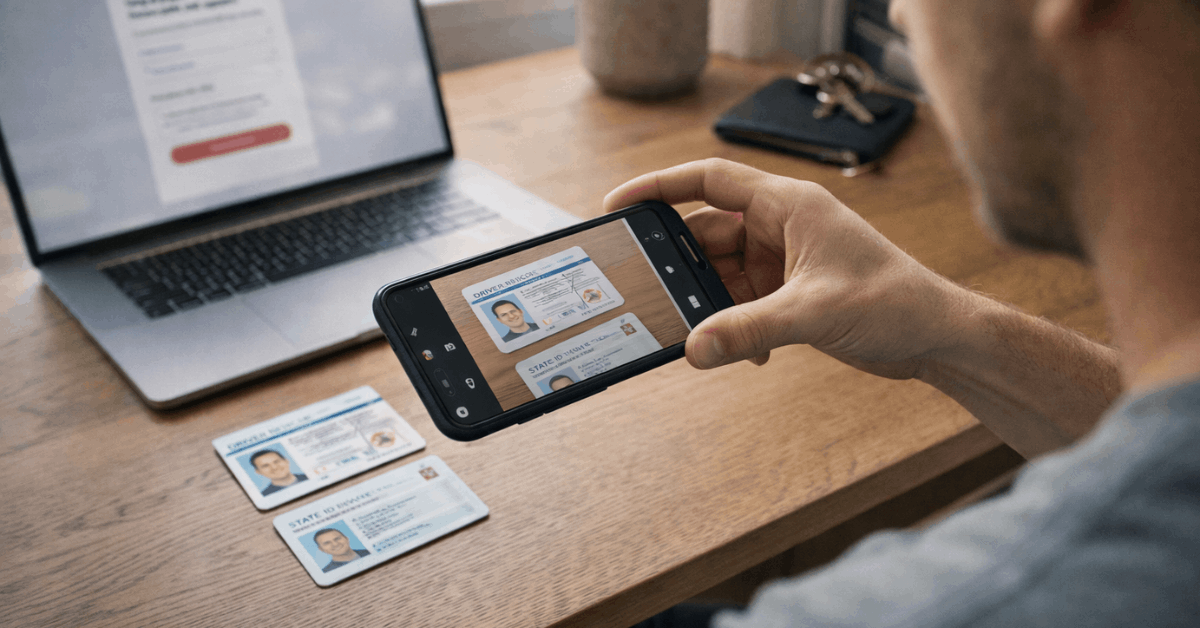
Paperwork feels boring until it blocks onboarding. DoorDash’s process usually asks for government ID, and in many regions, it also uses a Social Security number or local equivalent for identity and screening.
DoorDash background check steps vary by country and vendor, but the purpose stays the same:
- confirming identity and
- assessing contractor eligibility.
Past driving or criminal records can affect approval depending on severity and recency, and requirements can tighten in markets with higher fraud risk.
License rules can also shift with delivery mode. Bike-only Dashers may be allowed to sign up using another form of ID rather than a driver’s license in some markets, while car deliveries generally require a valid license. Document clarity matters too, since blurry photos or mismatched names often trigger manual review.
How Dasher Pay Works In Real Terms
Pay on DoorDash usually breaks into three moving parts, then changes based on market conditions and delivery choices. Total earnings depend on offer selection, demand timing, and customer behavior.
- Dasher Base Pay comes from DoorDash and is influenced by time, distance, and how desirable the offer is in that moment.
- Peak Pay promotions can add extra pay during busy windows, often tied to local demand spikes.
- Tips are paid by customers and vary widely based on culture, region, and order type.
DoorDash also offers different earning modes in some places, such as per offer versus time-based earning models. Time-based options usually pay a minimum hourly rate for active delivery time, rather than for the full time logged in. Either way, the practical reality stays consistent: earnings can swing day to day, and no platform can guarantee steady income.
Getting Paid Fast and Understanding Instant Options
DoorDash promotes fast access to earnings once a Dasher is approved, yet “instant” is often conditional. Traditional payouts can be deposited on a schedule, while instant options depend on eligibility and account setup.
Instant Pay with Crimson refers to using DoorDash’s Crimson banking and card setup to access earnings faster, subject to availability and verification. DoorDash has described Crimson as a banking-style account where Dashers can receive earnings instantly through Instant Pay, with partner-bank terms applying.
Some regions also offer alternative instant cash-out features that connect to a debit card, though timing can still depend on verification status and system checks. Keeping personal data consistent across signup, banking details, and tax forms reduces payout delays.
Dasher Gear and Order Tools
After the first dash, DoorDash has described sending an activation kit that may include a warming bag and a payment tool used for certain purchases. Gear needs vary, so DoorDash also runs an online store for add-ons.
DoorDash Red Card is the commonly referenced card used for certain merchant orders where the Dasher pays at pickup, then gets reimbursed through the platform flow. Red Card orders are less common in some markets and can feel slower during peak rushes, though they may offer decent pay depending on local demand.
Thermal bags, phone mounts, and portable chargers tend to matter more than fancy accessories. Food quality during delivery often comes down to heat retention and spill control, which also protects customer ratings.
Safety, Support, and On-Road Confidence
DoorDash has built a safety toolkit aimed at helping Dashers get support when issues happen mid-delivery. Tool availability varies by region, yet the core idea is consistent: quick help, clear reporting paths, and guidance when a delivery does not go smoothly.
Support needs can show up as address issues, merchant delays, or customer disputes.
Keeping communication professional and brief usually helps, especially when delays are outside the driver’s control. Local laws also shape safety expectations, so personal precautions still matter even if an app offers in-product features.
Why DoorDash Rules Vary Globally
DoorDash has expanded through both organic growth and acquisitions, including Wolt, and it has continued to pursue international scale. That expansion makes “one global rulebook” unrealistic, since licensing, labor standards, and insurance norms differ widely.
Public reporting has also highlighted regulatory pressure in some regions. Canada’s Competition Bureau announced legal action against DoorDash in June 2025 over alleged misleading price advertising practices, showing how local regulators can shape platform behavior.
These kinds of cases can lead to policy changes, fee disclosure updates, and tighter compliance requirements that ripple into driver-facing processes.
Last Thoughts
DoorDash can be a solid way to earn, yet the fastest wins come from treating it like a rules-driven system, not a casual side app.
Approval speed and order access hinge on matching local eligibility, choosing the right delivery mode, and keeping every document and payout detail consistent from day one.
Once active, steady results usually come from simple habits: pick a vehicle that fits the zone, protect ratings with basic gear, and stay alert to policy shifts inside the Dasher app. Check requirements again whenever something changes, because location rules, verification steps, and payout tools can move quickly on gig platforms.