
FedEx Delivery Careers look straightforward on the surface: packages move, drivers deliver, customers sign. The part that catches people off guard is the hiring structure.
A large share of FedEx Ground delivery work runs through independent businesses, not direct employment, so the “career path” can mean either joining a contractor as a driver or operating a contracted business.
FedEx also runs specialized options such as Custom Critical for time-sensitive, high-security, and temperature-controlled freight, which follows its own owner-operator model. FedEx serves more than 220 countries and territories, so local rules vary, but the contractor logic shows up across many markets.
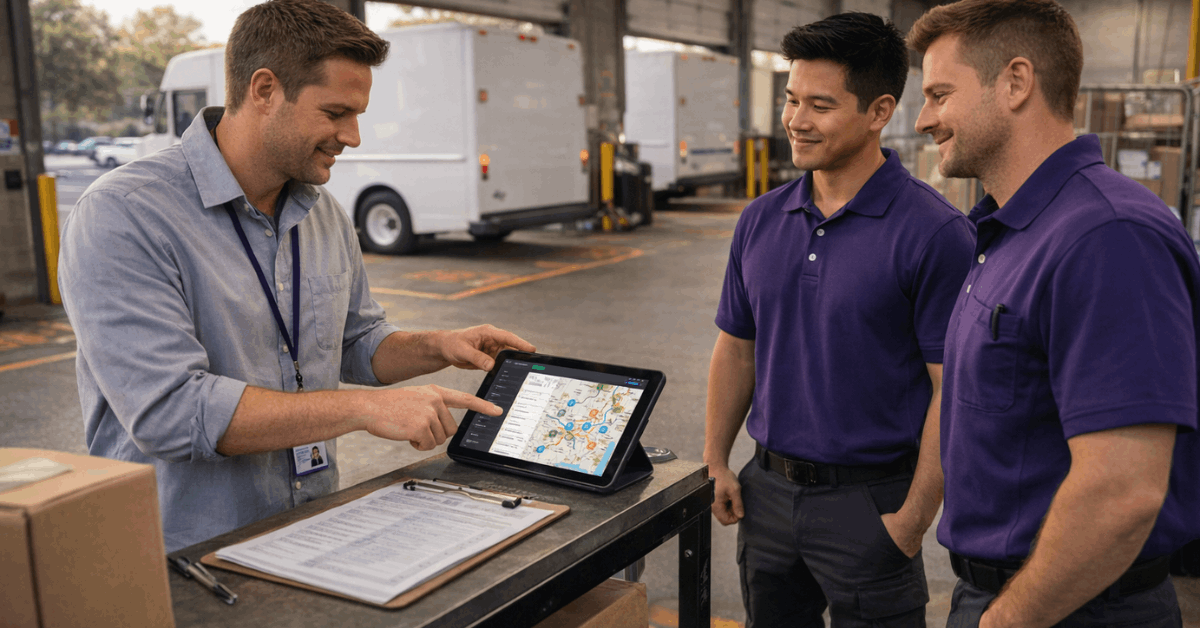
How The FedEx Delivery Work Model Is Set Up
A lot of FedEx Ground operations follow the FedEx Ground contractor model. That means delivery services are handled by independent businesses that contract to serve a territory or run scheduled transportation lanes. FedEx sets service expectations and safety standards, while the contractor runs the day-to-day operation.
A common term in this system is Independent Service Providers (ISPs). An ISP typically hires drivers, assigns routes, maintains vehicles, and manages payroll. Pay structures, uniforms, and scheduling can still feel “company-like,” yet the legal employer for many roles is the contractor business, not FedEx itself.
This distinction matters for expectations. Benefits, overtime policies, and advancement paths often depend on the contractor, local labor rules, and the contract type tied to the facility.
FedEx Contractor Models That Show Up Most Often
Two contractor tracks dominate FedEx Ground operations, and each one fits a different lifestyle and risk profile.
Pickup And Delivery
This model focuses on pickup and delivery routes using step vans, sprinters, or smaller trucks.
The job centers on scanning, doorstep delivery, business pickups, and route consistency. Contractor owners usually care about stop count, on-time performance, damage rates, and driver reliability.
Work tends to be local or regional, with earlier mornings and a heavy emphasis on customer-facing professionalism.
Linehaul
This track centers on linehaul transportation, moving trailers between stations, hubs, and larger facilities. It often looks like overnight highway work, scheduled runs, and tractor-trailer operations.
A CDL is commonly required, and safety thresholds can be tighter due to vehicle size and highway exposure.
Linehaul work can feel less customer-facing and more operations-focused, but downtime and scheduling discipline matter a lot.
Qualifications To Become A FedEx Contractor
Contracting usually means running a real business entity, meeting service standards, and proving operational readiness. Requirements can differ by country and by facility, yet U.S.-based standards often set the tone because of DOT rules and common risk controls.
Many contractors start by forming an LLC or corporation, lining up insurance, and proving access to suitable vehicles. Screening tends to focus on safety history, financial stability, and the ability to operate full-time right away.
Common U.S.-leaning expectations include the following:
- A formal business structure, such as an LLC or corporation, plus business banking and tax setup.
- A background review that looks for recent serious offenses; time windows vary by local policy.
- Driving history limits that reduce risk, often focusing on moving violations and preventable crashes.
- Passing a DOT physical and drug screen when the role or vehicle class falls under DOT rules.
- Operational capacity to cover daily pickups and deliveries, including staffing and vehicle uptime.
Some route owners also qualify as drivers, even when not required. That choice can help during staffing gaps, peak season surges, or when training a new team, while also keeping a closer eye on route performance.
FedEx Ground Contractor Versus FedEx Custom Critical Contractor
FedEx Ground contracting generally revolves around a defined service area or scheduled lane work, with recurring volume and predictable facility relationships.
Custom Critical Contractor
FedEx Custom Critical focuses on specialized shipments that can require tighter procedures, specialized equipment, and more rigorous contractor qualification steps. Custom Critical contractor work often ties to owner-operators who supply and maintain their own equipment.
Vehicles can include straight trucks and tractors, and certain programs support temperature control, high-security handling, or white-glove style requirements. Qualification details are commonly published in Custom Critical’s owner-operator materials, and they can be stricter than typical local delivery setups.
Equipment investment and compliance expectations tend to rise in this lane, so the fit depends on risk tolerance and operational maturity: some people want a scalable local route business, others want the long-haul specialty lane with higher compliance and equipment demands.
Qualifications For Drivers Hired By Contractors
Driver requirements depend on the contractor, the vehicle, and the country. Many contractors still follow a familiar baseline: minimum age, safe record, and the ability to handle physical delivery demands.
A typical contractor driver profile includes:
- Age 21+ for many delivery operations, especially when commercial vehicle rules apply.
- A valid driver’s license; a CDL may be required for larger vehicles or linehaul roles.
- Recent professional driving experience, often measured as one year within the last three years.
- A clean Motor Vehicle Record (MVR) that meets contractor and facility safety thresholds.
- Ability to handle package movement, often up to 75 lbs, and higher weights when equipment is used.
Drug screening and physical evaluations can apply depending on vehicle class and local regulation. Contractors also screen for reliability and time discipline, since missed scans, late deliveries, and preventable damage hit both customer trust and contract performance.

Skills That Help People Thrive In Contractor-Based Delivery Work
Skill fit matters more than most applicants expect. Speed helps, yet safe consistency keeps people employed.
Logistics and Management Skill
Contractor owners need route planning, staffing, payroll basics, and fleet maintenance discipline. Driver leads and dispatchers also benefit from that mindset. Route planning isn’t guesswork anymore; route optimization software and stop sequencing can reduce overtime, fuel spend, and missed windows.
Technology Comfort
Scanning, tracking, navigation, and proof-of-delivery tools run the day. Comfort with handheld scanners, GPS, and tracking workflows lowers error rates and avoids “where is my package” escalations.
Customer Service Under Pressure
Doorstep and business deliveries create constant micro-interactions. Professional communication, calm problem handling, and clean delivery habits protect the contractor’s performance metrics and the FedEx brand experience. Courtesy still matters even when the schedule is tight.
Cost Reality And Why Safety Standards Stay Strict
Contractors typically pay operating costs:
- vehicles,
- maintenance,
- fuel,
- insurance,
- uniforms, and
- wages.
That cost stack is one reason safety screens can feel unforgiving. Preventable crashes, claims, and recurring violations can end a contract or make insurance unaffordable.
Drivers feel that pressure too. Contractors want people who protect equipment and avoid performance mistakes, since poor scans, late deliveries, and accident risk show up quickly in contract reviews.
A practical way to think about it: delivery work rewards consistency. Safe driving, reliable attendance, and clean execution often beat raw speed over the long run.
Choosing The Right Path Inside FedEx Delivery Careers
Contractor ownership can fit people who want to build a logistics business and manage teams, vehicles, and operational risk. Driver roles can fit people who prefer execution, steady work, and daily route structure without business ownership exposure.
A smart decision usually comes down to three questions:
- Revenue stability versus risk tolerance: business ownership trades stability for upside potential.
- Workstyle preference: local delivery interaction versus highway lane work.
- Compliance comfort: specialized lanes can require more paperwork, training, and equipment investment.
Both paths can be legitimate “FedEx Delivery Careers,” yet they are different jobs that happen to share the same logo on the truck.
Last Thoughts
FedEx Delivery Careers make more sense once the contractor structure is clear. Ground routes often mean working for an Independent Service Provider, where pay, benefits, and advancement depend on the business running the territory.
Custom Critical sits in a different lane, leaning harder into owner-operator responsibility, specialized equipment, and tighter compliance.
Getting the best outcome usually comes down to picking the right model for risk tolerance and workstyle, then treating safety, scanning accuracy, and reliability as the real long-term advantages.