Food Delivery Apps USA keep expanding because customers want fast delivery and flexible ordering, and drivers want flexible earning options. DoorDash still leads U.S. restaurant delivery share, while Uber Eats and Grubhub compete hard in major metros and suburbs.
Market growth also pushed “food delivery” into broader last-mile work, including groceries and pharmacy items, so driver requirements now look similar across categories.
Independent contractor status still dominates across major platforms, even as local rules add protections without fully changing classification. New York City’s January 26, 2026 rules and California’s AB 578 consumer refund law show how fast expectations are shifting, especially around transparency and payout timing.
Core Driver Requirements That Almost Every App Shares
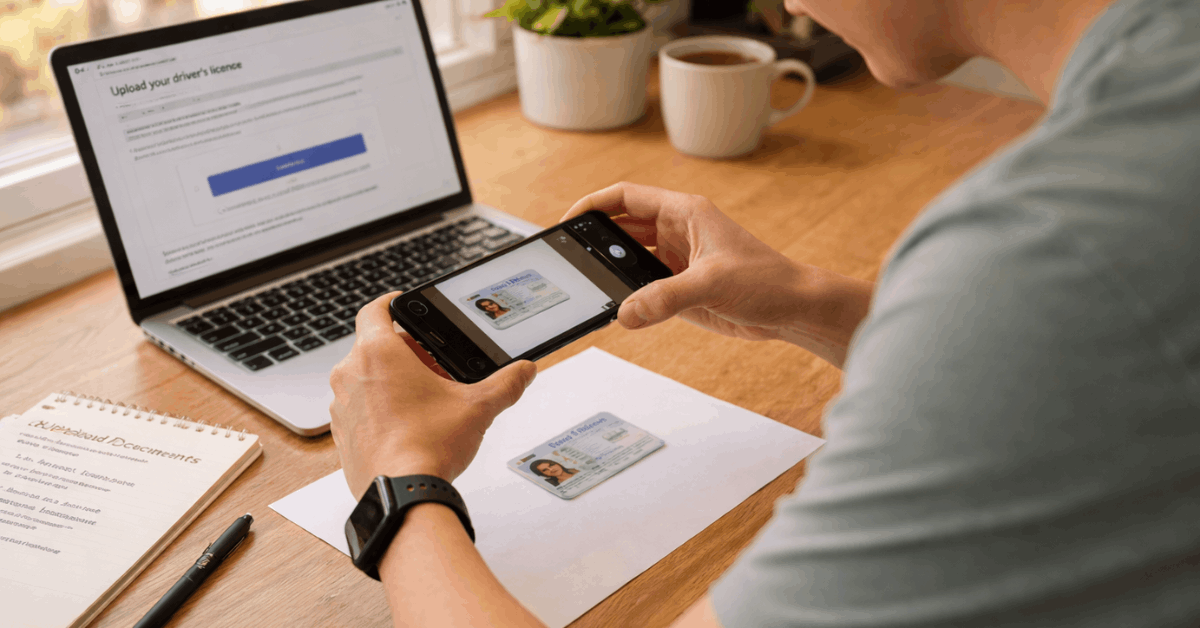
Sign-up rules look simple on the surface, then get stricter once background checks and vehicle proof kick in. Most platforms ask for identity verification, a compatible smartphone, and eligibility to work, then run screening before the first delivery.
Basic onboarding usually includes:
- Minimum age that varies by vehicle type and city
- Identity verification tied to tax reporting
- A screening step, often including criminal history and sometimes driving history
- A payout method, usually direct deposit plus optional fast cashout features
Platform terms still treat drivers as contractors, so expenses like fuel, phone plans, and most vehicle costs typically sit on the driver, unless local standards create reimbursements or pay floors.
DoorDash, Uber Eats, Grubhub, and Instacart Requirements Compared
Driver rules overlap, but small differences matter, especially age cutoffs and the kind of documentation each app accepts. Uber Eats is clearer about separate age thresholds based on car versus bike delivery. Grubhub gets specific about phone requirements and, in some areas, higher age minimums.
| App | Minimum Age | Background Check | Vehicle Proof | Payout Basics |
| DoorDash | 18+ | Yes | Driver’s license or ID for bike; requirements vary by mode | Direct deposit, plus app payout options |
| Uber Eats | 19+ for car, 18+ for bike | Yes | Insurance required for car delivery | Direct deposit, plus fast cashout options |
| Grubhub | 18+ (21+ in Las Vegas) | Yes | License + auto insurance for drivers | Direct deposit |
| Instacart | 18+ | Yes | Vehicle access for full-service; license used in verification | Direct deposit |
Exact city rules can override platform defaults, so local onboarding prompts matter as much as the national “requirements” page.
What “Requirements” Really Mean In Practice
Apps rarely reject drivers for one missing document alone. Most delays happen because verification steps do not match, or a required document expires mid-review.
A practical way to think about the real gatekeepers:
- Identity matching: name, address, and tax details need to align across uploads.
- Screening outcomes: a failed check can block access, and appeals can take time.
- Operational readiness: drivers need reliable data, GPS stability, and consistent availability to build acceptance history.
The phrase delivery driver age requirement matters more than it sounds, since age can change based on delivery mode, city rules, or special market policies.
Pay, Transparency, and Local Rules Drivers Should Watch
Driver requirements now include more “work rules” created by cities and states, not only app checklists. Pay transparency laws and payout timing requirements can change how earnings land week to week.
New York City Rules for Food Delivery
New York City rules, effective January 26, 2026, require apps to provide detailed trip information and pay at least weekly, plus offer at least one free payment method. Apps also must provide a free insulated bag after six deliveries, once requested.
That bag rule is not a perk; local law treats it as a basic tool requirement. The exact phrase insulated delivery bag becomes relevant in NYC because it’s mandated, not optional.
California: Focused More on Consumer Protection
California took a different route and focused on consumer protection that indirectly affects drivers. AB 578 requires a full refund to the customer, including tips and fees, when an order is not delivered or the wrong order arrives.
The law also restricts platforms from taking the original tip back from the driver in that scenario, which changes how disputes and adjustments get handled.
Several areas also push minimum pay standards for active time, aiming for “rights without status change.” That approach tries to reduce pay volatility while keeping contractor classification intact.
Contractor Status and The Push For Hybrid Protections
Most food delivery workers still operate under independent contractor status, meaning traditional benefits do not automatically apply. That legal structure is under pressure because platforms can exercise tight control through dispatching, deactivation systems, and incentive design.
Policy debate often circles three themes:
- Algorithmic control without clear explanations
- Pay systems that are hard to predict
- Safety and dispute resolution that depend on platform design
The Empowering App-Based Workers Act was introduced in the U.S. Senate in 2025 and focuses on platform transparency and accountability, including how automated decisions and data use affect workers.
Separately, federal enforcement signals also shifted. On May 1, 2025, the U.S. Department of Labor issued guidance on how it would allocate enforcement resources while reviewing the 2024 independent contractor rule, creating uncertainty even when the formal regulations did not instantly change.
A survey-based signal also keeps showing up in the debate: flexibility remains a top reason many drivers do not want full employee status, even while reliance on gig income increases.
Beyond Food: Last-Mile Work Is Expanding
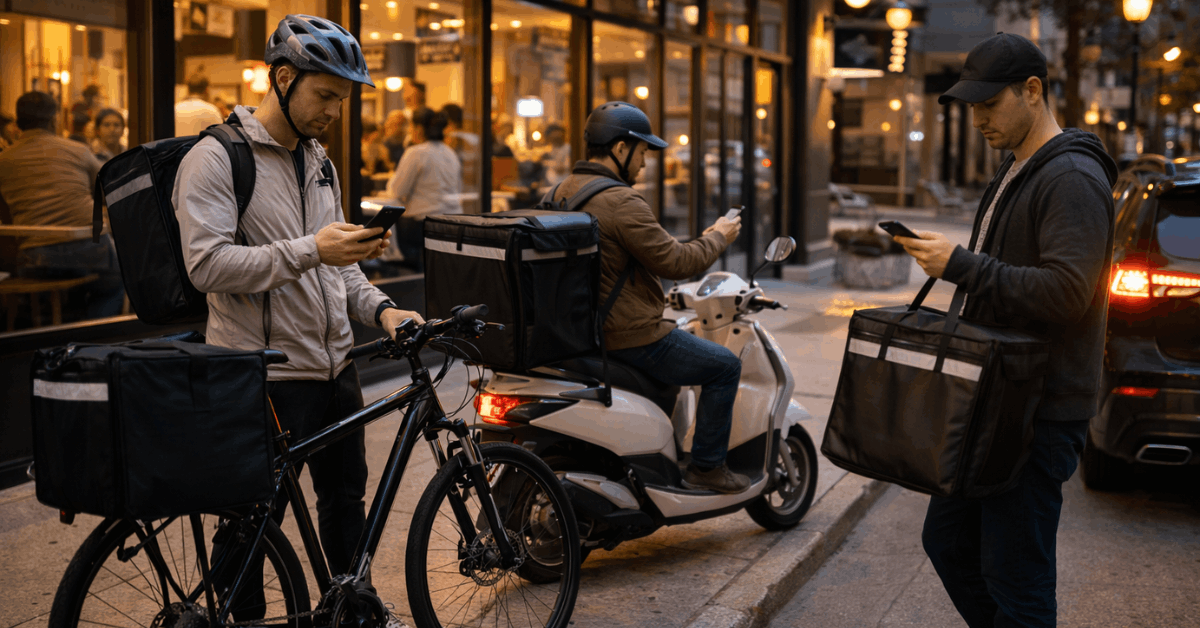
Food delivery apps increasingly compete with grocery and retail delivery, which is why Instacart often enters driver comparisons even though it centers on shopping and delivery rather than restaurant pickup. That diversification also changes what “requirements” feel like on the job.
A shopper-driver doing grocery batches needs:
- Higher tolerance for substitutions and customer messaging
- Stronger time management across shopping plus driving
- Better awareness of store layouts, not only navigation
Last-mile growth also makes vehicle and insurance rules more important, since batch sizes, mileage, and delivery zones expand beyond dense restaurant corridors.
Safety, Cash Flow, and Practical Expectations
Driver experience is shaped by cash flow and risk more than marketing claims. Surveys in 2025 found that many gig drivers rely on gig earnings for at least half their income, and a large share use earnings for day-to-day bills.
That dependence is why instant pay options have become a deciding factor, even when base pay feels unpredictable.
NYC’s weekly pay requirement is a good example of regulation targeting cash-flow stress directly. Another pressure point is the background check policy, since a delay or mismatch can shut down earnings for days or weeks, depending on appeal paths.
Local pay floors also spread. Talk around minimum pay standards has moved from “nice idea” to real legislation in multiple jurisdictions, often framed as a middle ground between full reclassification and no protections.
Last Thoughts
Food Delivery Apps USA keep growing because the model fits both sides of the market, yet the job keeps getting more rule-bound in ways many drivers miss early on.
Local law is now shaping the work as much as the apps do, and January 26, 2026, in New York City is a clear example, with mandated pay timing, trip transparency, and even the insulated delivery bag requirement.
Contractors still carry most costs and risk, so the smartest move is treating “requirements” as a living checklist that includes city and state rules, not a one-time signup hurdle.